

We look beyond basic window placement and sizes with advanced design and material strategies that define custom home construction and help maximise natural light in every room.
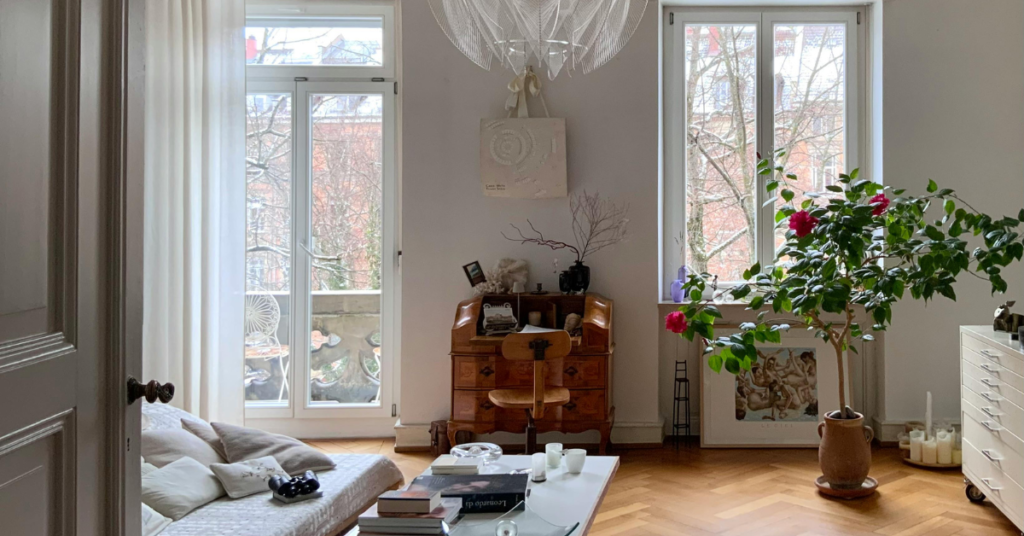
Have you ever noticed how some houses just feel better to be in?
It’s easy to think this comes down to furniture, colour choices or interior design but the secret is usually much simpler.
Lighting.
The Australian lifestyle is defined by the sun, but so many homes feel like dark boxes once you step away from the front door. This leads to an overeliance on artificial light which stings the budget and disrupts health and wellbeing.
At Casabella, we’ve spent over 15 years helping design and build custom homes defined by the “WOW” factor that separates a boutique home from a standard build.
Here are our essential home design natural light tips to help you create a space that feels open, airy, and inviting
#1 – Use Strategic Orientation: The Foundation of All Home Design Natural Light Tips
Before we talk about aesthetics, we have to talk about geography.
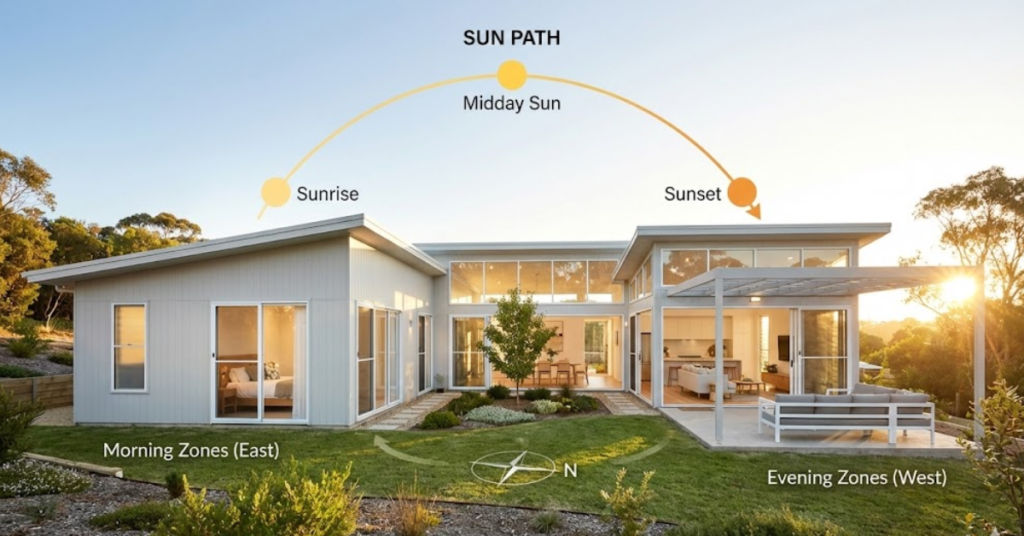
In the Southern Hemisphere, the sun is your most valuable (and free) design tool. The sun rises in the east, moves across the northern part of the sky, and sets in the west.
Once you know where light will hit your home – and what type of light – your design can support your lifestyle and health.
Here’s what that might look like:
- Living Zones (North): Your main living zones — kitchen, dining, and lounge — should ideally be positioned along the northern side of your home. This gives you consistent, indirect light all day and provides free passive heating during chilly Victorian winters.
- Morning Zones (East): Orienting bedrooms toward the East captures the soft morning rays, which helps regulate your sleep-wake cycle (circadian rhythm). Beyond the science of your body clock, there’s something special about waking up to soft, natural morning light instead of a blaring iPhone alarm.
- Evening Zones (West): West facing spaces enjoy stunning sunsets and warm light through the afternoon and early evening. This orientation can create an enjoyable ambience for alfresco areas or outdoor spaces. It’s worth noting that the afternoon sun can be brutal, making well-designed insulation and shading essential to avoid western windows turning rooms into ovens by 4PM.
| CUSTOM HOME DESIGN TIP: Don’t panic if your block faces the “wrong” way. Internal courtyards or pavilion layouts (a design approach that breaks your home into different wings or zones) can wrap a house around a central sunny spot. This creates a north-facing aspect where there wasn’t one before. |
#2 – Unlock up to 3x more light with vertical windows
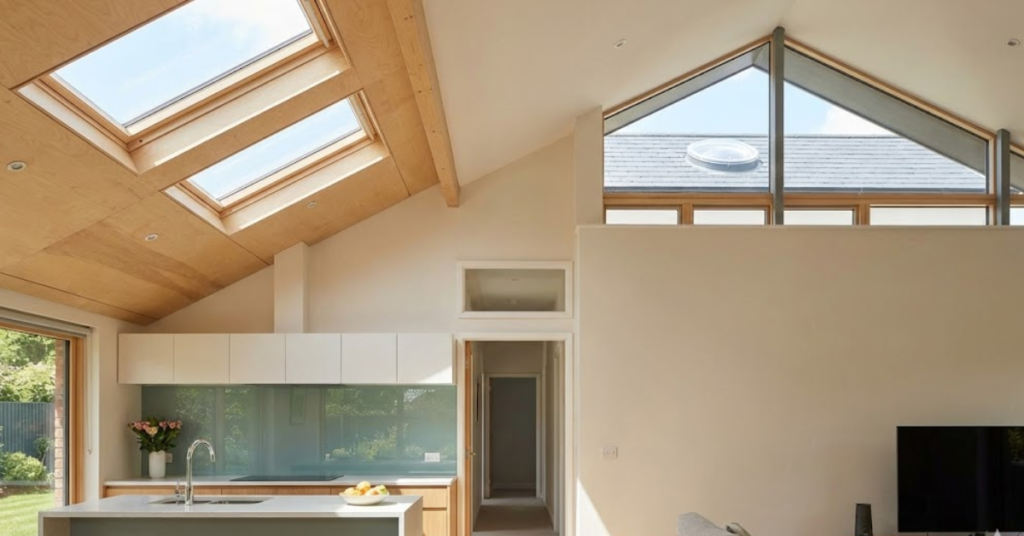
Standard windows are great, but they only capture horizontal light which has limitations. If you want to flood your home with more light, the key is to think vertically.
As a simple design upgrade, roof-based lighting solutions can provide up to 3x the luminosity of a wall window.
Popular vertical window options include:
- Skylights and Solar Tubes: If a full skylight doesn’t fit your budget or can’t be installed on your roof, consider solar tubes. Solar tubes funnel light from a rooftop dome through a reflective pipe into your ceiling and are perfect for smaller spaces like windowless bathrooms or hallways.
- Clerestory and Highlight Windows: These are the long, narrow windows placed high on the wall, often just below the roofline. They’re a creative solution for bedrooms or street-facing walls on urban blocks where privacy is a concern as they capture soft, diffused light from above eye level while keeping your interior hidden.
- Roof Lanterns and Glazed Gables: For a dramatic architectural statement, a roof lantern (a raised glass structure) can transform a kitchen island into a glowing centerpiece. Similarly, a glazed gable — filling the entire triangular peak of a pitched roof with glass — creates a cathedral of light effect in master suites or living areas.
- Glass Splashbacks and Transoms: A window splashback in the kitchen, instead of traditional tiles, lets you look at your garden while you cook dinner. Similarly, transom windows (these are the glass panels above doors) allow light to flow between rooms even when the doors are closed and are ideal for bathrooms and laundries.
#3 – Use structural connectivity to “borrow” light
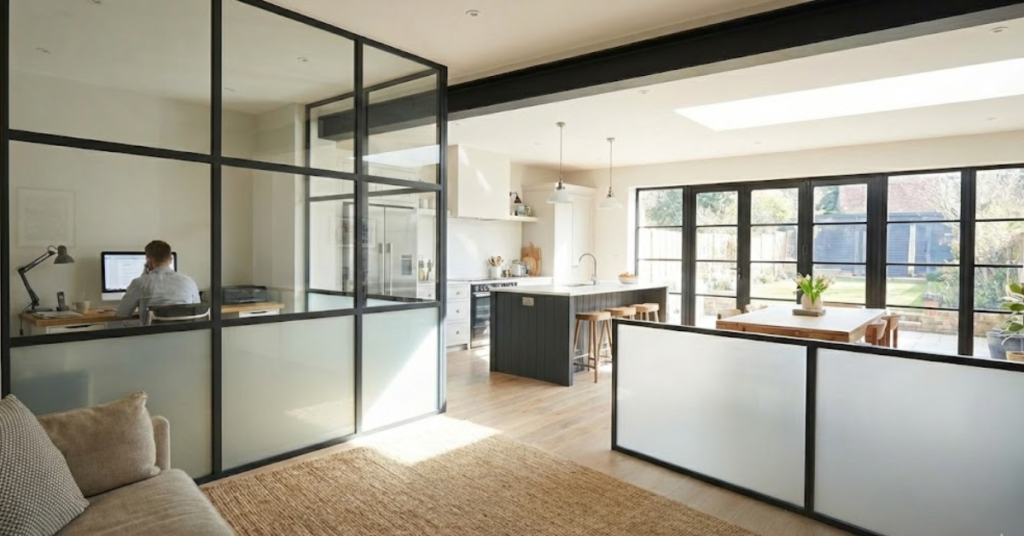
Walls are the enemy of light. In older, compartmentalised homes, light gets trapped in one room while the rest of the house sits in shadows.
One of the most effective ways to illuminate a custom floor plan is to treat light as a shared resource between rooms.
How?
Through open-plan kitchen, living, and dining areas, you can bring light from the large rear doors of your home all the way into interior rooms. Opening up compartmentalised layouts is also one of the home renovations that offer the best return on investment, so you’re improving both liveability and long-term property value.
For example, instead of solid timber doors for home offices or pantries, consider steel-framed glass partitions. This allows “borrowed” light to travel from sun-drenched external walls and windows deep into your home without sacrificing acoustic separation.
If you do need a wall for noise protection or you need some extra privacy, consider a steel-framed glass partition or frosted glass doors. This design choice lets you maintain the privacy of each room, but the light remains borrowed from adjacent rooms.
Win-win.
#4 – Take advantage of material reflection and diffusion
Once you’ve got light inside your home, the goal is to keep it moving—this is where your interior finishes can do the heavy lifting.
To get a little scientific, this all comes down to Light Reflectance Value (LRV). For example, a pure white wall has an LRV of nearly 100% (reflecting almost all light), while black is near 0%.
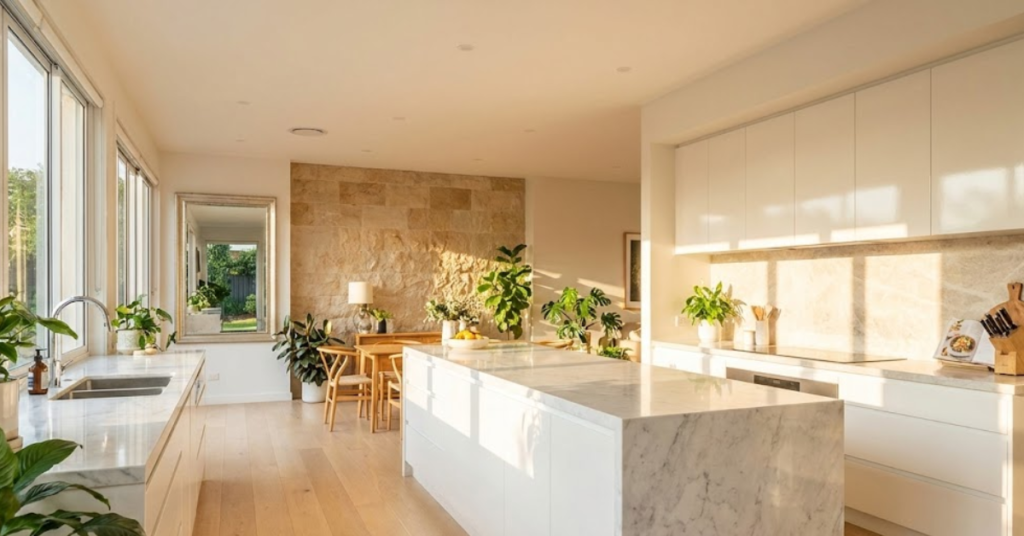
As Melbourne’s leading custom home designers, we select high-LVR finishes (like satin-sheen cabinetry, light oak flooring, or pale stone benchtops) that act as a series of mirrors to bounce light into corners of your home that windows can’t reach.
Your choice of kitchen countertop plays a bigger role than most people realize—a polished white marble or light quartz benchtop can reflect significantly more light than a darker alternative, making it both a design statement and a practical lighting decision.
Natural light also performs best when paired with natural textures. Using timber, stone, and indoor greenery is how you create a biophilic environment (an industry term for connecting home design with the natural environment), where the sun and shadow help support your well-being, not just illuminate your home.
Beyond just brightness, consider the thermal mass of your materials.
When natural light hits high-density surfaces, like a stone feature wall or a polished concrete floor, these materials absorb and store that solar energy. As the sun goes down and the air cools, the material slowly releases that warmth back into the room in the form of passive heating.
| CUSTOM HOME DESIGN TIP: The mirror trick is an oldie but a goodie. Placing a large mirror directly opposite a window effectively doubles the light source and can make a small room feel twice as bright. This is perfect for smaller bedrooms or guest rooms. |
#5 – Don’t forget to balance natural light with comfort
The best natural light balances brightness with staying comfortable 365 days a year.
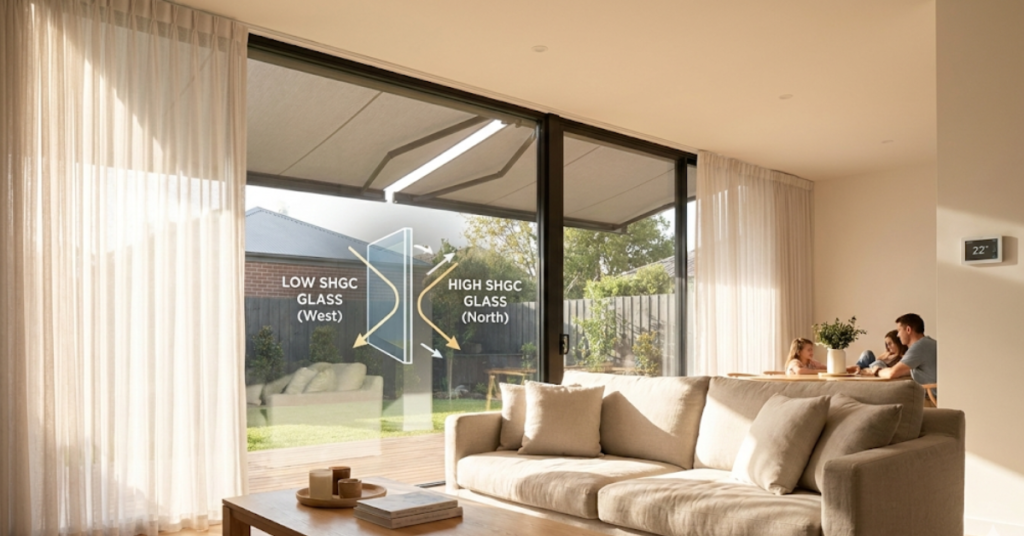
While we want to flood your home with soft, ambient light, we also have to manage the Solar Heat Gain Coefficient (SHGC) of your glazing. In simple terms, SHGC measures how much solar radiation passes through a window.
As custom builders, we select specific glass coatings for different sides of your home. This is typically higher SHGC for north-facing windows to invite winter warmth and lower SHGC for western windows to block aggressive afternoon heat.
This ensures you get the “WOW” factor of floor-to-ceiling glass without the greenhouse effect.
Outside of structural design, the simplest interior design choices can be the most effective. Consider ditching heavy draperies and going for sheer or lightweight curtains instead that allow sunlight to pass through, while still offering privacy.
Designs using eaves, awnings and adjustable screens can also help block the high, hot summer sun while letting in the lower, warmer winter sun. While double glazing improves insulation, ensuring your custom home stays bright and comfortable all year round.
That way, you get a more comfortable home and won’t have to rely on the A/C all summer to enjoy your time indoors.
SUMMARY: Natural Light Checklist
Designing for light goes beyond adding more windows, which is a shortcut to hotter rooms unless your design choices are framed by thoughtful placement and orientation.
As experienced custom home designers supporting Melbourne clients for the last fifteen years, our goal is to balance orientation, architectural features, and clever interior choices.
If you’re planning a custom home build, ask yourself:
Are my window placements aligned with my lifestyle?
Have I used skylights or highlight windows for the dark middle zones?
Do I have a light-reflective interior palette to keep the sunshine moving?
Is my choice of materials and finishes helping bounce light around my home?
Are my eaves deep enough to block summer sun but let in winter warmth?
Building a home that captures the light perfectly requires a balance of science and art. If you’re ready to start your journey, let’s discuss your floor plan.