

Looking to build something memorable in Bayside? Whether you’re renovating your home or building a new seaside sanctuary from scratch, we’ve rounded up the design essentials that make for a perfect coastal home.
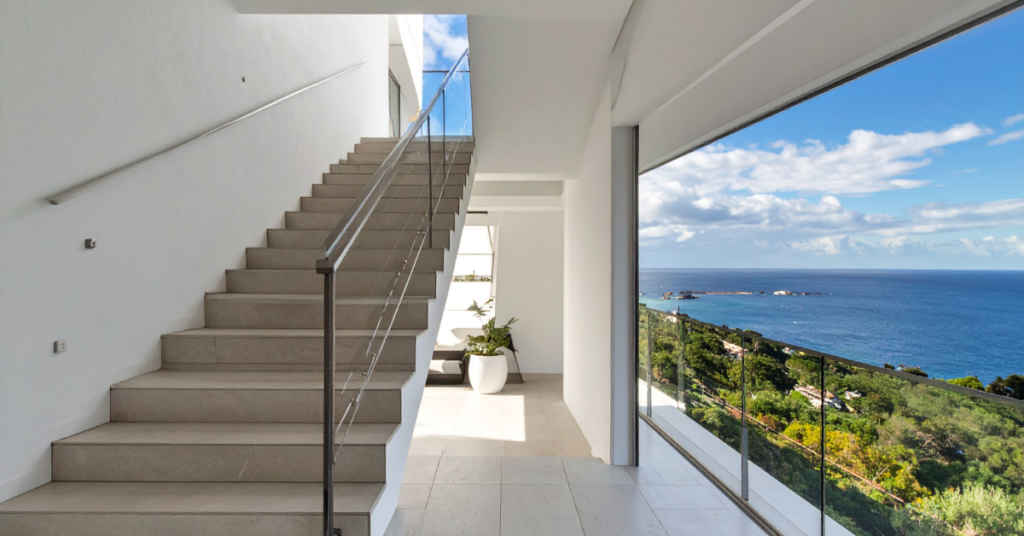
The smell of salty air, wind on your face, and calming ocean spray are part of the romantic Bayside dream.
But they’re also part of what we call the “coastal tax”.
The truth is, a house that works in the quiet leafy streets of Melbourne will literally erode in a suburb like Black Rock or Beaumaris.
If you want a home that can stand up to relentless southerly winds, fine salt films on your windows, and sand that seems to sneak home from the beach with you, the right design is key.
At Casabella, we’ve spent over 15 years designing and building homes that capture the look of a beach house without ignoring the rugged Port Philip environment.
Here’s how we work with modern coastal home designs that are as resilient as they are refined.
What Is a Modern Coastal Style?
When we talk about modern coastal home designs, we also have to be clear about what we aren’t doing.
Modern coastal home design has moved beyond the heavy, ornate Hamptons look that dominated Sandringham a decade ago. Gone are the heavy crown mouldings and manicured decor for a more refined, relaxed Australian aesthetic.
These days, modern coastal design is built around a laid-back, high-end lifestyle and brings a breezy, vacation feeling indoors with inviting open-plan zones.
The modern coastal home is still an evolution of the old maritime look, but instead of literal anchors and navy stripes, it focuses on a refined aesthetic that feels more sophisticated.
Visually, that means moving beyond the clinical “every room is white” vibe. Instead, think of a base palette inspired by the shoreline, like sandy neutrals, soft mists, and the silver-grey of weathered driftwood.
Regardless of shape, every modern coastal home shares the same DNA: it feels expansive, is flooded with light, and is open and airy from room to room.
Top Design Details of Modern Coastal Homes
Passive Design and Sustainability
A passive home can deliver a lifetime of energy efficiency and lower energy bills by reducing heating and cooling needs by up to 90%.
At the same time, building a sustainable Bayside home goes beyond throwing a handful of solar panels on the roof and waiting for the next energy bill in the mail.
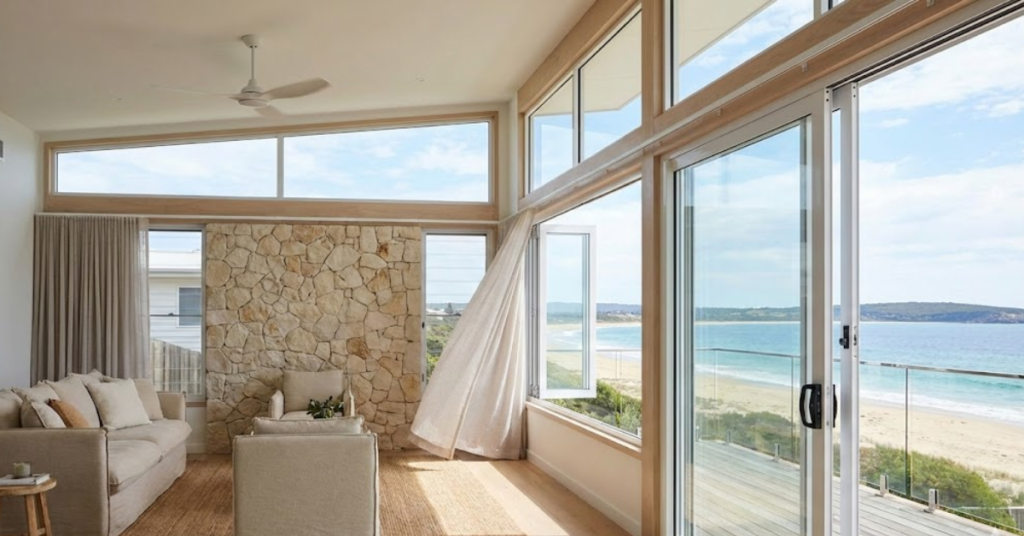
A key design trend here is to harness (not hide from) direct coastal winds and the sea-breeze effect (where cooler air from Port Philips Bay moves over the land).
For example, by designing windows to facilitate cross-ventilation, you can flush out the day’s heat in minutes without touching the A/C.
Design Recommendation:
Let’s get a little technical here.
Forward-thinking design has to balance a regular breeze with the sun, which can leave your living room feeling like an oven by 4pm on a summer’s day.
The solution comes down to the Solar Heat Gain Coefficient (SHGC) of your glazing, which measures how much solar radiation (or heat) passes through your windows.
By choosing high-performance glass with a specific SHGC, you can let north-facing windows invite warmth during winter while blocking up to 75% of radiant heat on hot afternoons.
Pair this with thermal mass (a material’s ability to store and release heat), like a stone feature wall, and you have a modern coastal home that maintains its own temperature so you don’t need to rely on expensive heating and cooling.
Coastal Element Protection
In Bayside, a beautiful home is useless if it’s broken in five years.
The Port Phillip environment is stunning, but its salt-laden air is highly aggressive, increasing the corrosion rate of steel and affecting the durability of your home’s coatings.
If your builder isn’t thinking about Corrosivity Categories, you’re in for an expensive surprise.
There are five atmospheric environments, ranked by corrosivity from very low (C1) to extreme (C5). These categories are based on factors such as salinity, humidity, pollution, temperature, and rainfall.
Salt-laden air, coastal winds and UV exposure pose a regular threat to your home if not properly considered during the design phase.
Our Top Tips:
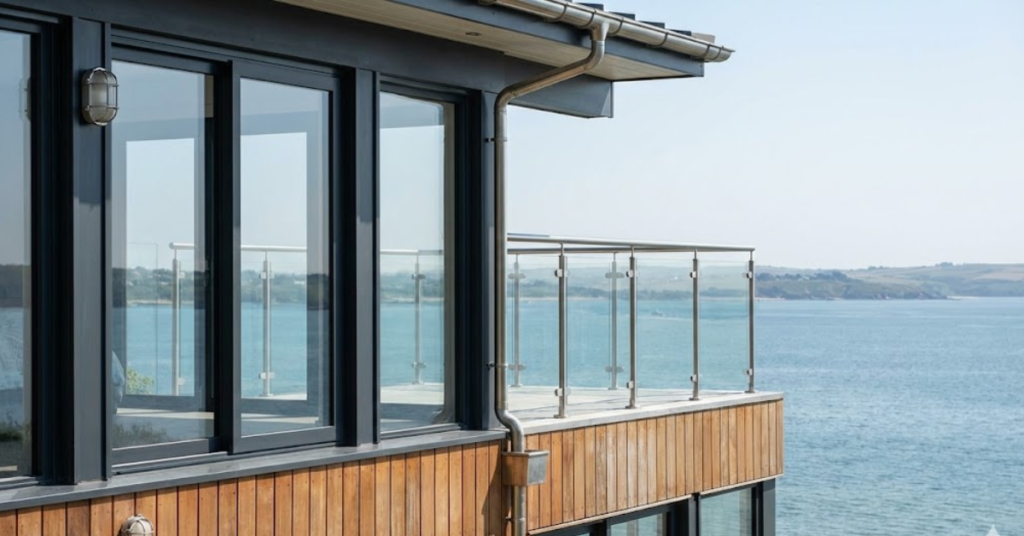
✅ Homes within 2km of water require non-corrosive metals (316-grade stainless steel marine grade) for all external hardware and balustrades to prevent rusting
✅ Thermally modified timber or engineered cladding can offer the warmth of wood without warping (and you won’t need to be up a ladder with a paintbrush every few years).
✅ High-durability powder coatings on window frames are specifically rated for coastal exposure to prevent damage, such as sleek black frames fading to an unsightly chalky grey.
Coastal Colours and Textures
The modern Bayside aesthetic has moved away from a literal nautical look in favour of a more sophisticated, tactile palette.
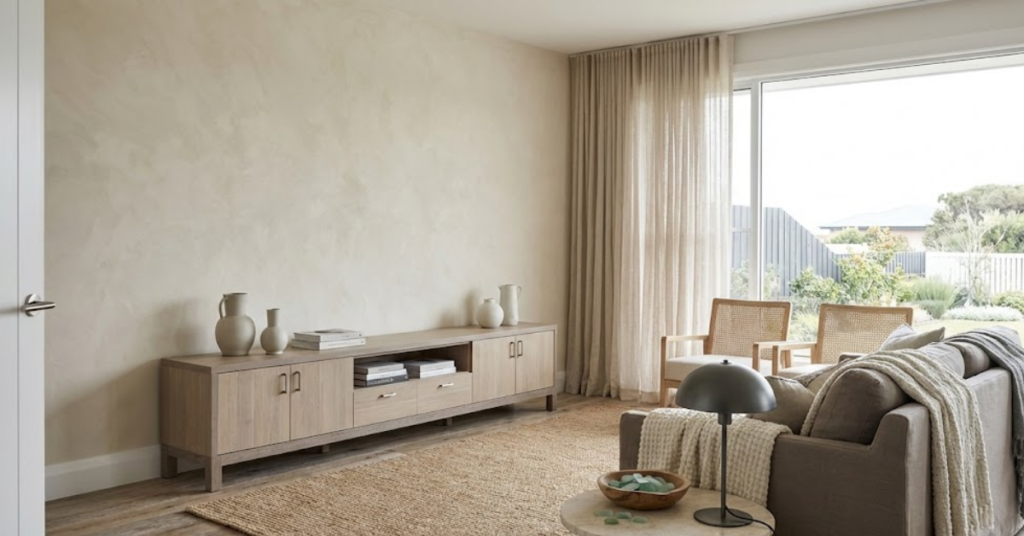
For a start, clinical whites are out. Instead, think of warmer, earthy neutrals like:
- Oatmeal
- Soft greys
- Driftwood tones
The most striking Bayside home design also uses materials that mimic the natural textures of the Melbourne Sandbelt and the Port Phillip coastline. In 2026, luxury is measured by texture and hand-feel — the way light hits a rendered wall or the grain of a piece of timber — rather than just a coat of paint.
Textured finishes, such as lime-wash renders, tumbled stone, and brushed timber, can also add a layer of coastal luxury that paint can’t achieve.
Design Recommendation:
To achieve a sophisticated coastal result, your design should focus on organic layering. This is about building a palette of tonal, natural textures that provide warmth and depth.
For example, adding woven and natural fibres to your interior selections, such as linen curtains or jute rugs, to soften the hard architectural lines of concrete and glass.
Or, picture matte or satin hardware in brushed nickel or gunmetal to provide a contrast that avoids the dated look of high-shine chrome.
Hybrid Indoor-Outdoor Living
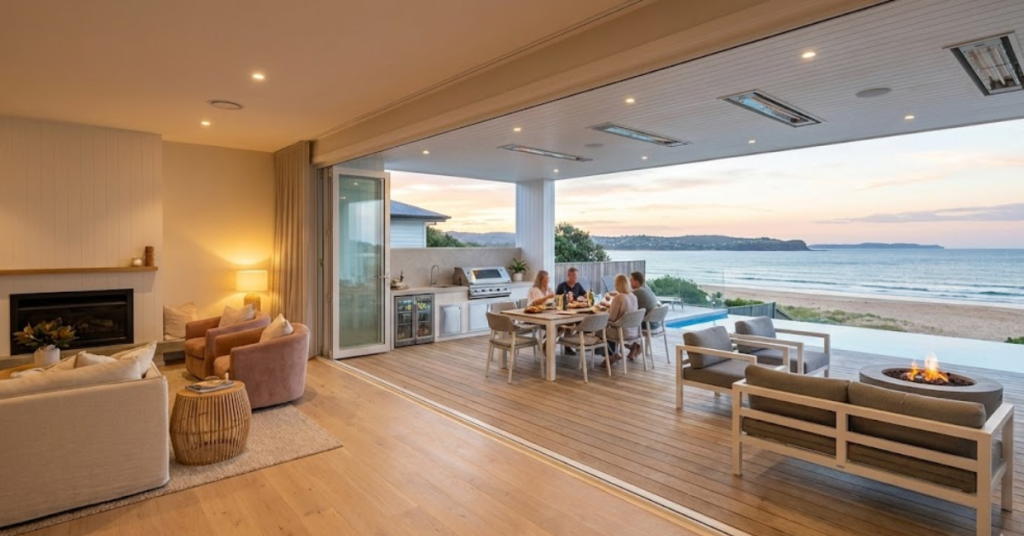
The best of Bayside living revolves around an alfresco lifestyle, with connected interior and exterior spaces a hallmark of modern coastal home design.
The problem is that Melbourne’s “four seasons in a day” weather can be even more unpredictable by the coast, requiring designs that can pivot in an instant.
One of the simplest additions is to connect rooms with sliding glass doors, louvres and screens. That way, you get a seamless flow of natural light and airy indoor-outdoor living spaces with essential protection from the afternoon sun and wind, all without sacrificing your connection to the outdoors.
Our Top Tips:
✅ Large-scale glass sliders or bi-folds create a seamless transition, effectively doubling your entertaining space during the warmer months.
✅ Flush-threshold flooring (where the internal floor level matches the external deck) eliminates trip hazards and creates a continuous visual flow from the loungeroom to the outdoors.
✅Integrated outdoor kitchens and heating allow you to utilise your alfresco zone year-round, regardless of a sudden southerly change. These upgrades aren’t just lifestyle improvements either — indoor-outdoor connectivity is one of the home renovations that deliver the strongest return on investment come resale time.
Abundant Natural Light
A dark home is the antithesis of coastal living.
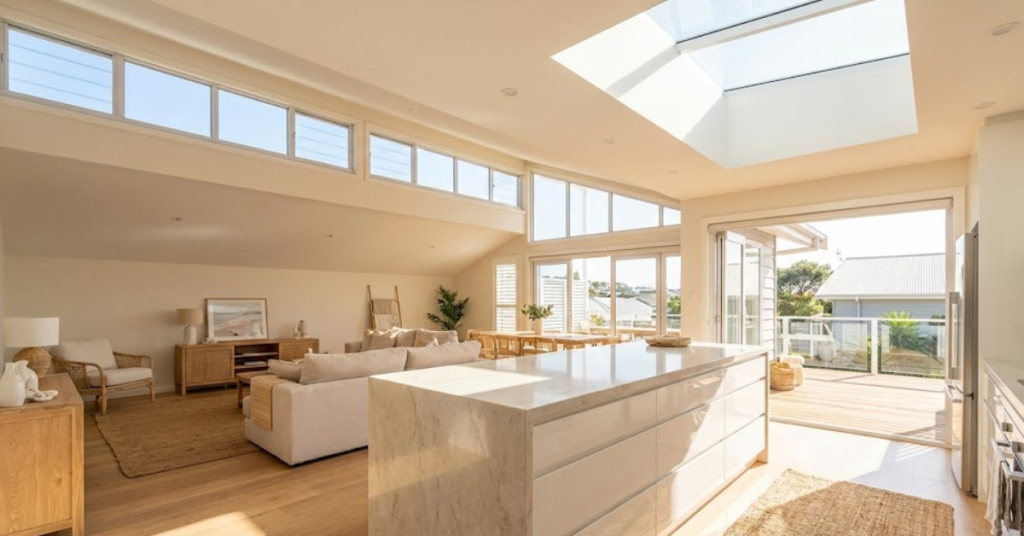
Maximising light is a strategic exercise in tracking the sun’s path to create a home that feels vibrant from the moment you wake up until the sun sets. This all comes down to the quality of the light and, when done right, ensures every corner of your home feels intentional, airy, and alive.
North-facing living zones are the gold standard here. This orientation ensures your home is drenched in consistent, high-quality light throughout the day.
| For more specific lighting solutions, check out our recent guide: 5 Tips to Maximise Natural Light 👈 |
Our Top Tips:
✅ Skylights and light wells are game-changers for deep, narrow blocks, funnelling sunshine into central hallways or bathrooms that would otherwise sit in shadow.
✅ Clerestory windows placed high on the wall capture soft, diffused light while maintaining total privacy from neighbouring properties.
✅ Reflective interior finishes like light stone benchtops and satin-sheen cabinetry act as mirrors, bouncing light deep into the heart of the floor plan. Your choice of material matters here — a polished quartz or pale marble reflects significantly more light than a darker composite, making it a design and lighting decision in one.
Expert tip:
Nadiya Ekanayake, Interior Designer at Casabella, recommends layering natural textures and tonal neutrals to create depth without visual clutter.
“One of the biggest shifts I’ve seen in Bayside homes is moving away from the all-white interior. The coastal homes that really sing are the ones where you can feel the design—a lime-washed wall, a linen drape, brushed nickel hardware. It’s about building warmth through texture, not colour, and that’s what gives a space that relaxed, high-end feel without trying too hard.”
Is Your Design Bayside Ready?
Designing for coastal living is a balancing act between high-end luxury and environmental reality.
A home in Bayside that works feels open to the elements but is built like a fortress against them, for the best of both worlds. At Casabella, we’ve spent 15 years perfecting the art of the Bayside build, so we know which window seals won’t whistle in a gale and which renders won’t fade in the salt.
If you’re thinking about designing or building a modern coastal home in Bayside, our local experts can help get you started. Let’s talk about materials, light, and your perfect floor plan. Call our team on 13 34 36 or schedule an obligation-free chat online.